
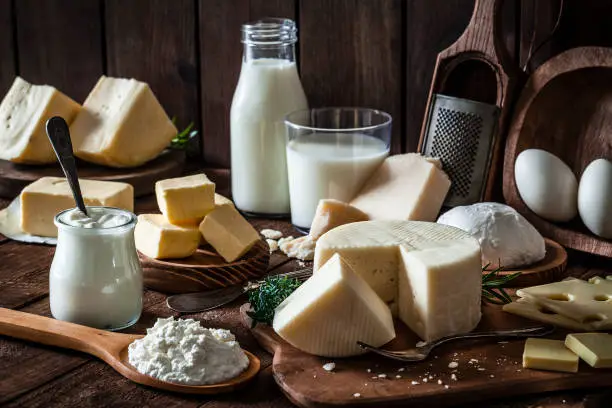
Dairy Grade
Guar gum binds free moisture in the serum phase to stop whey separation in yogurt and set dairy products, builds a fine, even viscosity for a creamy rather than starchy mouthfeel, and stays functional through the full pH drop of fermentation — for a clean, intact product from vat to shelf.
Overview
Dairy Grade (GG-DAY) is developed specifically for yogurt, cheese, and dairy dessert manufacturers. Here's the mechanism behind the problem it solves: when milk is acidified — whether by fermentation in yogurt or by direct acidification in a dessert — casein micelles lose their negative surface charge as the pH approaches their isoelectric point (~4.6) and aggregate into a gel network. That network is inherently unstable: as it continues to tighten, it can expel some of the water trapped inside it, which is what shows up on shelf as 'weeping' or syneresis. Guar gum addresses this indirectly rather than by binding to the protein itself. As a non-ionic galactomannan, it doesn't interact electrostatically with casein the way carrageenan or pectin do — instead, it increases the viscosity of the free serum (water) phase surrounding the protein network, physically slowing the water's ability to migrate out. That's also why guar gum stays functionally predictable across the pH swing of fermentation, where charged gums can behave less consistently. Typical dosage ranges from 0.05–0.3%, adjustable to your target texture, fat content, and process conditions.
Key Benefits
Anti-Syneresis
Prevents whey or liquid from separating out during storage — the visible "weeping" that makes dairy products look unappetizing on shelf.
Smooth Texture
Builds a fine, even viscosity that reads as creamy and smooth on the palate rather than starchy or gritty.
Whey Binding
Locks free moisture into the protein matrix, keeping set dairy products intact and visually clean through their shelf life.
Fermentation & pH Stability
Guar gum is non-ionic, so unlike charged hydrocolloids (carrageenan, pectin), it doesn't bind or interact directly with casein — it stays functionally stable as pH drops from around 6.5 to 4.6 during yogurt fermentation, without contributing to unpredictable gel behavior near the casein isoelectric point.
Particle Suspension
Keeps cocoa, fruit pulp, and other particulates evenly suspended in flavoured milks and protein drinks, preventing the sedimentation and "layering" that shows up as a visible defect on shelf.
Fat-Reduction Mouthfeel Support
Builds body and a creamy mouthfeel in reduced-fat or light dairy products, helping offset the thin, watery texture that typically comes with fat removal.
Spreadability & Moisture Control (Cheese)
Supports a smooth, spreadable consistency in processed cheese, cheese spreads, and cream cheese, while reducing moisture loss and weeping during refrigerated storage.
Cold-Chain Gel Stability
Protects the protein gel network through the temperature fluctuations of cold-chain distribution — loading dock to retail case to home fridge — reducing the whey pooling that appears after repeated temperature swings.
Technical Specifications
| Product Code | GG-DAY |
| Category | Food & Beverage |
| Recommended Dosage | 0.05–0.3% |
| Primary Application | Set yogurt, Stirred yogurt, Greek yogurt, Drinking yogurt & lassi, Processed cheese, Cheese spreads, Cream cheese, Paneer, Dairy-based puddings & custards, Rice pudding / kheer-style desserts, Panna cotta-style desserts, Flavoured / chocolate milk, Dairy-based milkshakes, Condensed & evaporated milk |
Formulation Guidance
For milk-based systems, guar gum performs best when added to the milk before homogenization, not after. Homogenization pressure helps disperse and fully hydrate the gum while it simultaneously breaks down fat globules — doing both in one pass gives more even distribution than adding guar to an already-homogenized, already-thickened base.
For fermented products, hydrate and fully disperse the guar gum before culture inoculation. Guar gum's viscosity-building is largely complete within the first hour of hydration; starting fermentation before that point means the gel network forms while viscosity is still developing, which can produce an uneven set.
Because guar gum doesn't interact directly with casein, it's commonly blended rather than used alone: guar + locust bean gum for a firmer set-yogurt gel, guar + carrageenan where a heat-stable, protein-reactive gel is needed (carrageenan binds casein directly via its charged sulfate groups — a different mechanism than guar's serum-phase thickening), and guar + pectin in acidified milk drinks, where pectin's role is steric stabilization of individual casein particles rather than bulk viscosity. Guar gum's role in each blend is consistent: it's the serum-phase viscosity contributor, not the protein-interacting component.
Related Grades
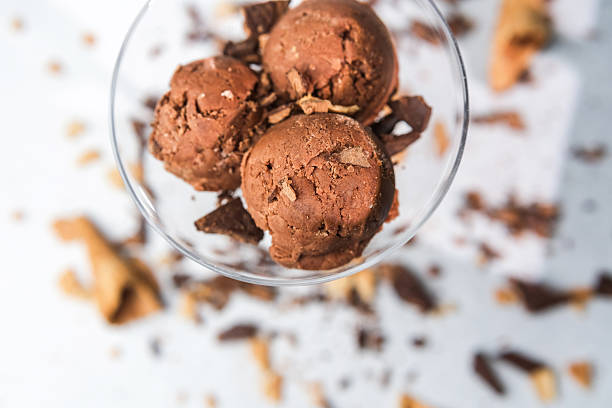
Ice Cream Grade
Stops ice crystal growth and locks in smoothness through heat-shock cycles. Crystal size reduced 40–60%. Supports 80–120% overrun.
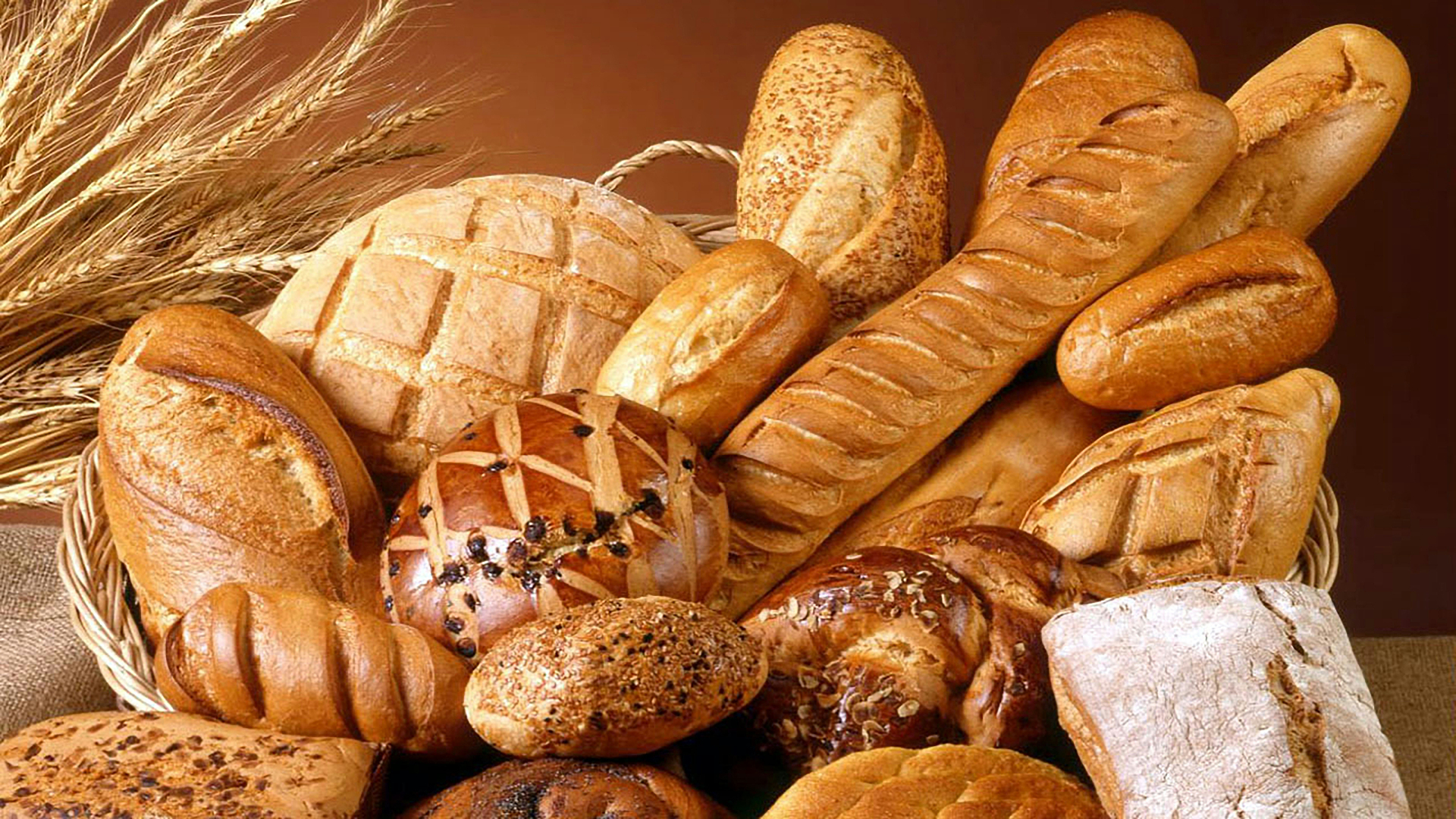
Bakery Grade
Improves dough viscosity, moisture retention, shelf life in bread, biscuits, cakes, GF goods. Uniform crumb structure.
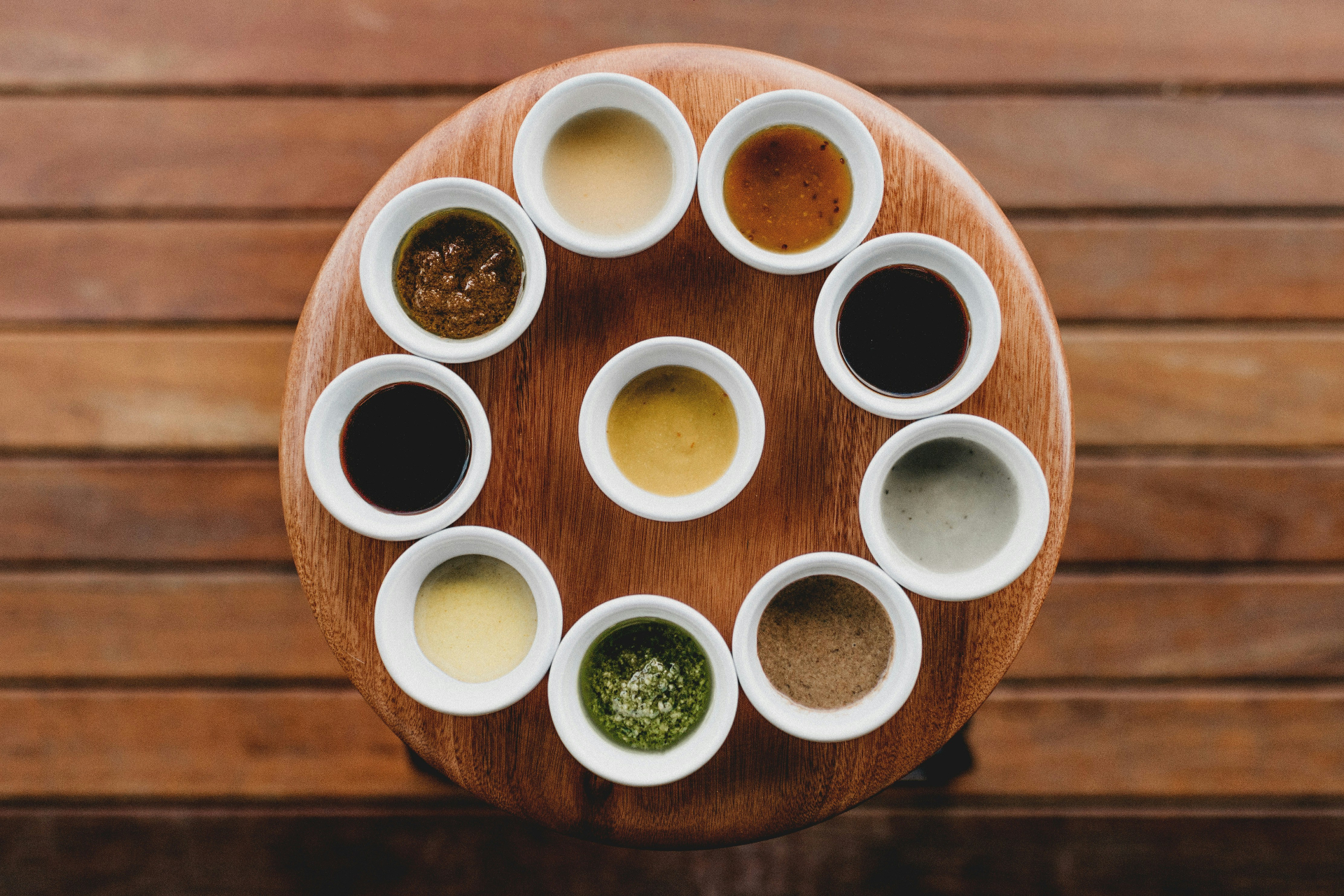
Sauces & Dressings Grade
Rapid cold hydration, excellent viscosity for sauces, dressings, marinades. Consistent pourability and particle suspension.
Ready to Trial Dairy Grade?
Our technical team can help with dosage guidance and formulation support.